ONLINE COURSE FOR ADULT ADOPTEESWhy Adoptees Do What They Do
The people-pleasing. The perfectionism. Not being able to ask for help. The constant showing up for everyone else, at the expense of yourself.

From the outside it looks like strength. From the inside it feels like exhaustion.You've noticed the pattern. What you haven't had is the why.
Maybe you say yes when you mean no. Maybe you brace for people to leave, or leave first. Maybe you're the responsible one, the easy one, the one no one ever has to worry about. You may have tried therapy that helped with the surface but never touched this.
You may have read about attachment styles and still felt like something was missing.
What's usually missing is adoption
“When the earliest experience your nervous system recorded was being placed, it sometimes concludes that belonging is conditional. That you have to be worth keeping.”
That early conclusion becomes a rule. It was written before you had words, and it has been running quietly ever since. It shows up in five main ways. This course walks you through each one, so the patterns you've been fighting finally make sense.
None of this is a character flaw. It was a way to belong.
What's Inside
-
The one idea underneath every pattern: how your nervous system writes rules, and why adoption shapes them so early. Start here.
-
Boundaries & Codependency · Abandonment & Rejection Fear · Self-Worth · Perfectionism · People-Pleasing. Watch the one that grabs you first. You don't need to watch them in order.
-
Interactive exercises right below each video: find which fence you built, choose your mantras, uncover the rules underneath, and make a pause card for the moment it happens. Save or print every result.
PLUS: a closing video, questions to ask when looking for an adoption-competent therapist, and a clear next step.
Self-paced. About 15 minutes to your first "oh, that’s why.
-
This is for you if:
You're an adult adoptee who recognizes a pattern but doesn't know where it comes from
General therapy hasn't connected your patterns to adoption
You "turned out fine," but fine isn't the same as whole
You want language for something you've felt your whole life
-
This isn't:
Therapy, or a replacement for it
A diagnosis
A course that asks you to relive your story. It's about understanding what's happening now.
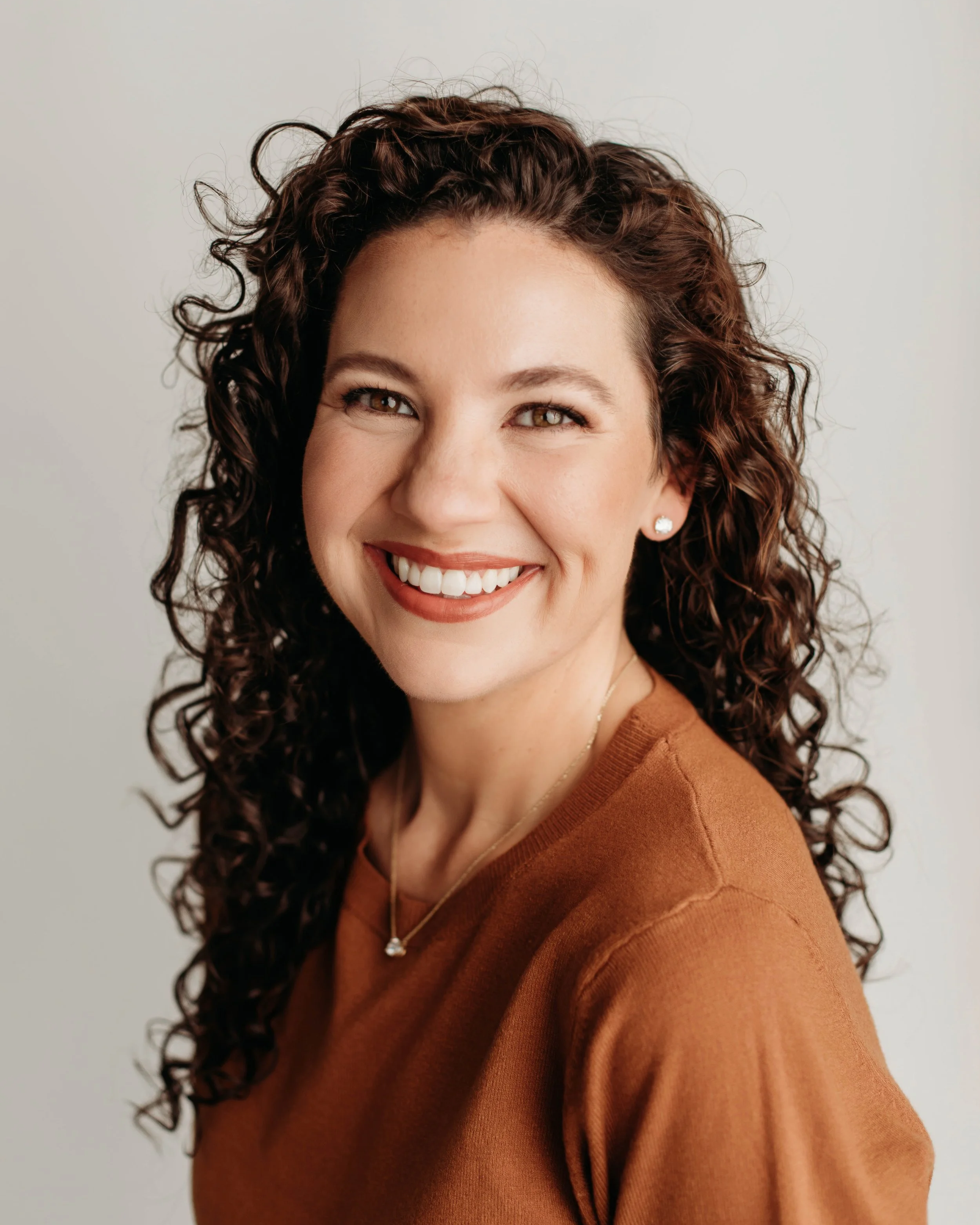
Hi, I’m Melissa.
I'm an adoptee, and a therapist.
I built this course for the adoptees who've noticed the pattern but never had anyone connect it to where they started. It's what I wish someone had explained to me.
One-time purchase. Yours to keep, and go back to whenever you need it.
FAQs
-
The foundational video and one pattern video take about 15 minutes together. Most people start with one pattern and come back for others later.
-
Watch the foundational video first. After that, go wherever you're drawn.
-
No. It's an educational course. It can be a helpful companion to therapy, and it includes questions to help you find an adoption-competent therapist if you want one.
-
The course helps you name your patterns and understand where they come from. Belonging is a guided workbook for working through them, at your own pace. Many people start with the course and move on to the workbook.
-
Only on your own device. Nothing you enter in the tools is sent anywhere. Use the save or print buttons to keep a copy.
-
For as long as the course is available. It's a one-time purchase, not a subscription.
-
Printable versions of every tool, so they're with you away from your screen: cut-out wallet cards and pause cards, a 7-day noticing log, and 8 lock screens for your phone.
You don't have to keep fighting a pattern you don't understand.
Start with the why.
This course is educational and is not a substitute for therapy.